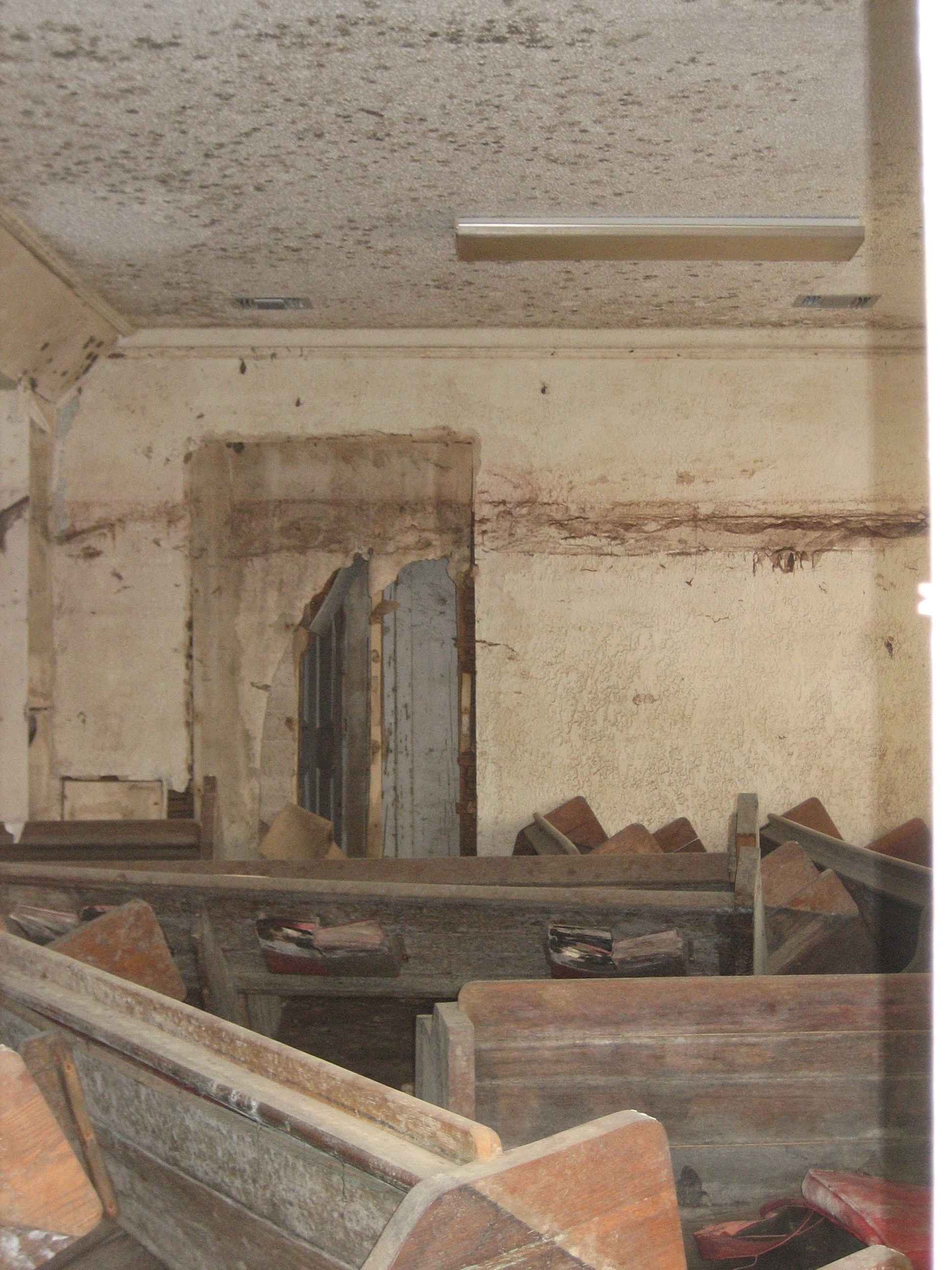
Singapore's indoor relative humidity sits between 70 and 90 percent, year-round. This is what that level of sustained moisture does to wood, laminate, leather, and textiles — and what keeps it from happening.
High humidity does not damage all materials at the same rate or through the same mechanism. Understanding each material's specific failure mode helps prioritise what to protect first.
Wood is hygroscopic — it continuously exchanges moisture with surrounding air. Persistent high humidity keeps wood in a chronically swollen state. Drawers jam, doors misalign, table tops warp, and glue joints open as differential moisture uptake creates internal stress.
How wood floors warp →Laminate uses a dense fibreboard core that reacts significantly to moisture entering through plank edges and subfloor joints. Once swollen, the core does not recover. Seams rise, surfaces bubble, and replacement of affected panels is the only resolution.
Wood and laminate floors →Leather is porous and organic. At sustained humidity above 65%, mold colonises the surface — first in seat creases and underside surfaces. Mold consumes the leather's natural oils, leaving it dull and stiff. Deep cracking at flexion points follows within months.
Signs of furniture damage →Sofas, rugs, and cushions trap airborne moisture in their fibres. The first symptom is a persistent musty odour, often weeks before visible mold spots appear. Foam cushion cores absorb moisture and do not release it — internal mold in foam is not treatable.
Identifying moisture damage →Hinges, drawer slides, gas-lift mechanisms, and adjustment hardware corrode rapidly in high humidity. Surface rust stains adjacent surfaces and compromises appearance; deeper corrosion seizes moving parts and can cause sudden mechanism failure under load.
Flat-pack and budget furniture using MDF or particleboard cores is highly sensitive to moisture at cut edges and joints. Water-soluble binders in the board dissolve, causing irreversible swelling. Veneer and laminate surfaces lift as adhesive bonds fail.
All signs of damage →
Mold spores are always present in indoor air. The variables that determine whether they establish colonies are temperature, humidity, and available organic substrate. Singapore provides all three in abundance, continuously.
At relative humidity above 60%, mold can begin establishing on damp organic surfaces within 24 hours. By the time discolouration becomes visible, the root structure (hyphae) has typically penetrated several millimetres into the material. Surface cleaning removes the visible growth but leaves the root structure intact — regrowth occurs within days if humidity is not controlled.
The back panels of furniture placed against exterior walls, the underside of leather seat cushions, and the interiors of closed wardrobes are the most common initial colonisation sites — areas where air circulation is minimal and surfaces remain damp longest.
Where your home sits on this scale determines both the rate of material damage and what intervention is required.
A digital hygrometer is the essential first tool. It displays real-time temperature and relative humidity and — on better units — logs daily minimum and maximum readings. A single reading tells you the current state; logged data over several days reveals the full range your home experiences, including overnight peaks that occur when windows are closed.
Place a hygrometer in each room where you have significant furniture or flooring. Readings vary considerably between a well-air-conditioned bedroom and a naturally ventilated living room in the same flat. Addressing rooms individually based on actual data is more effective than applying the same intervention everywhere.
These measures can be implemented in rented or owned properties without structural modification.
A refrigerant dehumidifier set to 50–55% RH is the most effective single intervention. Run it in bedrooms overnight when windows are closed and humidity peaks. Size by room area: approximately 16 L/day per 25 m². Use the continuous drain option to avoid daily tank emptying.
Most split-system air conditioners include a "dry mode" that removes humidity without aggressive cooling. Running dry mode at 26°C in rooms with significant furniture protects materials without the energy cost of cooling to lower temperatures.
Exterior walls accumulate condensation on their inner surfaces overnight. Leave at least 5–8 cm between large furniture pieces and exterior walls to allow air circulation and prevent direct moisture transfer — the most common cause of back-panel mold in wardrobes.
Wardrobes and storage cabinets trap humidity. Rechargeable desiccant units — separate from the room-level dehumidifier — control moisture in these enclosed spaces. Recharge every 4–8 weeks. Activated charcoal packs serve a dual purpose, absorbing both moisture and odour.
Apply polyurethane, tung oil, or a dedicated wood sealer to exposed, unfinished wood surfaces — particularly the undersides and backs of furniture. Sealing slows moisture exchange significantly. Reapply every 12 months in Singapore conditions.
Lanolin-based or beeswax leather conditioner replenishes the oils that high humidity and mold remove. Apply with a cloth in circular motions, allow to absorb fully, then buff. Wipe leather surfaces weekly with a dry cloth to remove surface moisture before it penetrates.
On clear days between monsoon seasons, outdoor humidity at midday can drop below indoor humidity — typically April and October. Open opposing windows to create cross-ventilation during these windows. Check a hygrometer: only ventilate when outdoor RH is lower than indoor RH.
For new installations, use a vapour barrier underlay rated for tropical humidity. For existing floors, seal visible edge gaps with flexible silicone. Clean laminate with a barely damp cloth only — never wet mop — and dry the surface immediately after cleaning.
Cupping, crowning, and buckling — the three failure modes of wood flooring in tropical environments — and what causes each one in Singapore homes.
Read article →A material-by-material guide to identifying early and advanced moisture damage in solid wood, MDF, leather, and textile pieces before the damage becomes irreversible.
Read article →Refrigerant versus desiccant, capacity ratings, placement strategy, and operating costs — what the specifications mean in practice for HDB flats and condominiums.
Read article →